In Abbas Kiarostami's 1997 film Ta'm-e gilas (Taste of Cherry) one Mr. Badi, a man about whom viewers learn virtually nothing, drives around Tehran looking for someone to do him a favour: that night, he will kill himself in a quarry outside the city, and he wants someone to cast dirt over his body the next morning. The first half of the film is essentially about Mr. Badi's difficulties finding someone to carry out this small task, in spite of the substantial amount of money he's offering. He is initially mistaken as a homosexual cruising for sex, a misunderstanding that Kiarostami even ribaldly encourages through suggestive dialogue. A seminary student refuses to help him because suicide is a sin. I must say that I was very disappointed by these 40 minutes plus. Shooting so much of the film inside the car as Mr. Badi drives around is a waste of the possibilities of cinema. Furthermore, there is no real rapport between Mr. Badi and the various actors, as it was originally Kiarostami sitting in the passenger seat, and the dialogue of the men Mr. Badi picks up was only dubbed in later. The film does largely rely on amateur actors, as is common in Iranian productions from this era. Mr. Badi is played by the architect Homayoun Ershadi, and though Ershadi eventually established a film career, this was his first role. The film does become stronger in the second half, when Kiarostami starts to move from the dusty and barren quarry to more lively scenery of inhabited Tehran, a clear metaphor for the joy and colour of life that Mr. Badi would be giving up if he went through with his plans. The film starts to be thought-provoking instead of merely awkward, and as a glance at discussion forums will show, the film does offer enough to keep cinephiles talking about it. Unfortunately, the ending that Kiarostami chose for the film (which I won't spoil here) feels to me like a cop-out, not to mention something that is already an old auteur trope by now. If you like the Iranian Second Wave, then you'll probably find it worthwhile to see Ta'm-e gilas at least once. However, in spite of its winning of the Palme d'Or, I do not feel this is an especially great film.
Taste of Cherry
A middle-aged Tehranian man, Mr. Badii is intent on killing himself and seeks someone to bury him after his demise. Driving around the city, the seemingly well-to-do Badii meets with numerous people, including a Muslim student, asking them to take on the job, but initially he has little luck. Eventually, Badii finds a man who is up for the task because he needs the money, but his new associate soon tries to talk him out of committing suicide.
Quick Stats
7.7
TMDB Rating
733
Votes
1h 39m
Runtime
$120K
Budget
$11K
Box Office
9%
Return
Key Crew
DirectorAbbas Kiarostami
WriterAbbas Kiarostami
CinematographyHomayun Payvar
ComposerSasan Bagherpour
EditorAbbas Kiarostami
Produced by
KanoonKiarostami FoundationCiBy 2000
Where to Watch
Streaming
 HBO Max Amazon Channel
 Criterion Channel
 HBO Max
Free
 Kanopy
See more on TMDB → JustWatch
Critics & Reviews
1 featuredCast

Homayoun Ershadi
Mr. Badii
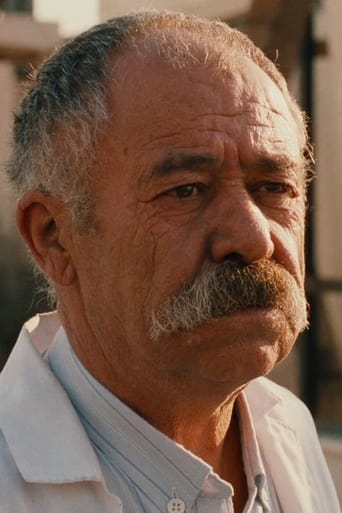
Abdolrahman Bagheri
Mr. Bagheri

Safar Ali Moradi
Soldier
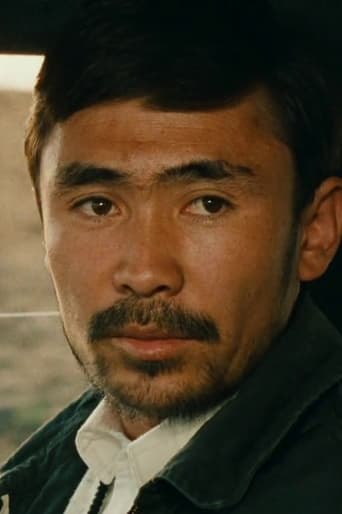
Mir Hossein Noori
Seminarian
E
Elham Imani
Photographer
A
Afshin Khorshid Bakhtiari
Worker
A
Ahmad Ansari
Self